By Roberto R. Diaz Blanco
Miguel Arroyo had cleaned enough hotel rooms to know people left the truth behind by accident.
Receipts in the trash. Lipstick on the wrong glass. Blood beneath a folded towel. A wedding ring under the bed beside a condom wrapper. A child’s sock in a room rented by a man who checked in alone.
People trusted doors.
Miguel trusted bleach.
At 2:14 in the morning, the phone rang at the housekeeping desk of the Halcyon Hotel.
Miguel had been sitting with one shoe off, rubbing the ache from his left foot and watching the security monitor flicker over the service corridor. The night shift had its own weather: fluorescent light, old coffee, elevator coughs, the soft mechanical breathing of a building full of strangers pretending sleep made them innocent.
He picked up on the third ring.
“Housekeeping.”
“Room six-thirteen,” said Mr. Bell.
No greeting. No please. Just the number.
Miguel sat straighter.
Mr. Bell managed the night desk with the calm of a man who had buried every feeling before it could embarrass him. Black suit. Silver tie. Gold H-pin on the lapel. Guests liked him. Owners trusted him. Staff feared him because he never shouted.
He only remembered.
“What about six-thirteen?” Miguel asked.
“It needs service.”
“At two in the morning?”
“A private service.”
Miguel looked at the monitor. Elevator Two opened on the lobby feed. Nobody stepped out.
“Is there a guest inside?”
“No.”
“Is there a body?”
Silence.
Then Bell said, “Don’t be dramatic.”
Miguel closed his eyes.
That meant there was a problem rich enough to have another name.
The Halcyon stood twelve stories above Harbor Avenue, all brass, black marble, and old money pretending it had been recently earned. Politicians stayed there when they wanted privacy. Singers stayed there when they wanted drugs. Men who signed contracts in the ballroom rented rooms upstairs under names belonging to drivers, cousins, or dead fathers.
Miguel had learned the rule during his first month: clean what you are paid to clean, forget what you are paid to forget.
“I’m alone down here,” he said.
“You won’t need help.”
“What happened?”
“The room needs service.”
“Mister Bell—”
“You have forty minutes.”
The line went dead.
Miguel put his shoe back on.
The service cart waited beside the linen closet, loaded with towels, sheets, tiny soaps, and the other lies hotels told about freshness. He added bleach, gloves, trash bags, a carpet brush, two bottles of stain remover, and the small black flashlight he carried because old hotels had corners that refused electricity.
Room 613 was at the end of the sixth-floor corridor, past the ice machine and the framed photograph of the hotel from 1931, back when men wore hats and shame still knew how to dress.
The door was not fully closed.
Miguel stood outside with one gloved hand on the cart.
He listened.
No television. No shower. No crying. No whispering from the bathroom.
He tapped twice.
“Housekeeping.”
Nothing.
He pushed the door open with his elbow.
The room smelled of expensive cologne, spilled bourbon, and metal.
The lamps were on. The curtains were open. Rain streaked the windows, turning the city lights into long broken lines. A chair lay on its side near the desk. A glass had shattered beside the minibar. Pillows covered the carpet. A red silk tie hung from the bedpost like something too tired to be a warning.
Then he saw the blood.
Not much. That was worse.
A thin smear near the bathroom. Three drops on the white duvet. A thumbprint on the brass closet handle.
Miguel entered and pulled the cart behind him. The door clicked shut.
“Forty minutes,” he said.
He started with the trash.
People thought beds held secrets. Sometimes they did. But trash told the truth faster. The rich threw things away because they believed disappearance came with service.
In the bathroom bin, he found makeup wipes, two tissues, and a torn piece of hotel stationery.
Only three words remained:
not this time
The handwriting was small, sharp, angry.
Miguel put the scrap into a clean laundry bag instead of the trash.
On the sink, a lipstick mark stained the rim of a water glass. Dark red. Almost brown. Beside it lay one pearl earring.
He checked the closet.
A man’s charcoal suit hung inside, pockets empty. The label said Savile Row. On the floor sat a pair of black dress shoes, wet at the soles.
Behind them, tucked badly against the wall, was a woman’s heel.
Silver.
Miguel remembered her.
She had come in around eleven, soaked from the rain, hair black and pinned high, wearing a gray coat and silver shoes that clicked too sharply on the marble. Miguel had been crossing the lobby with towels when she asked Mr. Bell for Room 613.
Bell had not asked her name.
He had only given her the elevator with his eyes.
Miguel put the shoe in the laundry bag with the note.
He stripped the bed next.
Under the pillows, he found the key card.
Not unusual. Guests left them everywhere.
But this one had black marker on the back.
M.A.
Miguel’s initials.
He stopped breathing for a moment.
His name tag said M. ARROYO. The card could mean anything. Another guest. Another joke. Another coincidence.
Hotels were full of coincidences until someone needed a suspect.
He slipped the card into his pocket.
Then he moved faster.
Sheets into the biohazard bag. Duvet cover off. Blood treated cold first, then peroxide. Carpet blotted, never rubbed. Towels gathered. Glass swept. Chair upright. Minibar wiped.
Remove. Replace. Restore.
He was good at it.
That was why they had called him.
In the desk drawer he found an envelope.
His name was written on it.
MIGUEL ARROYO
All caps.
Inside were five hundred dollars in twenties and a note.
For the extra work. You know what to do.
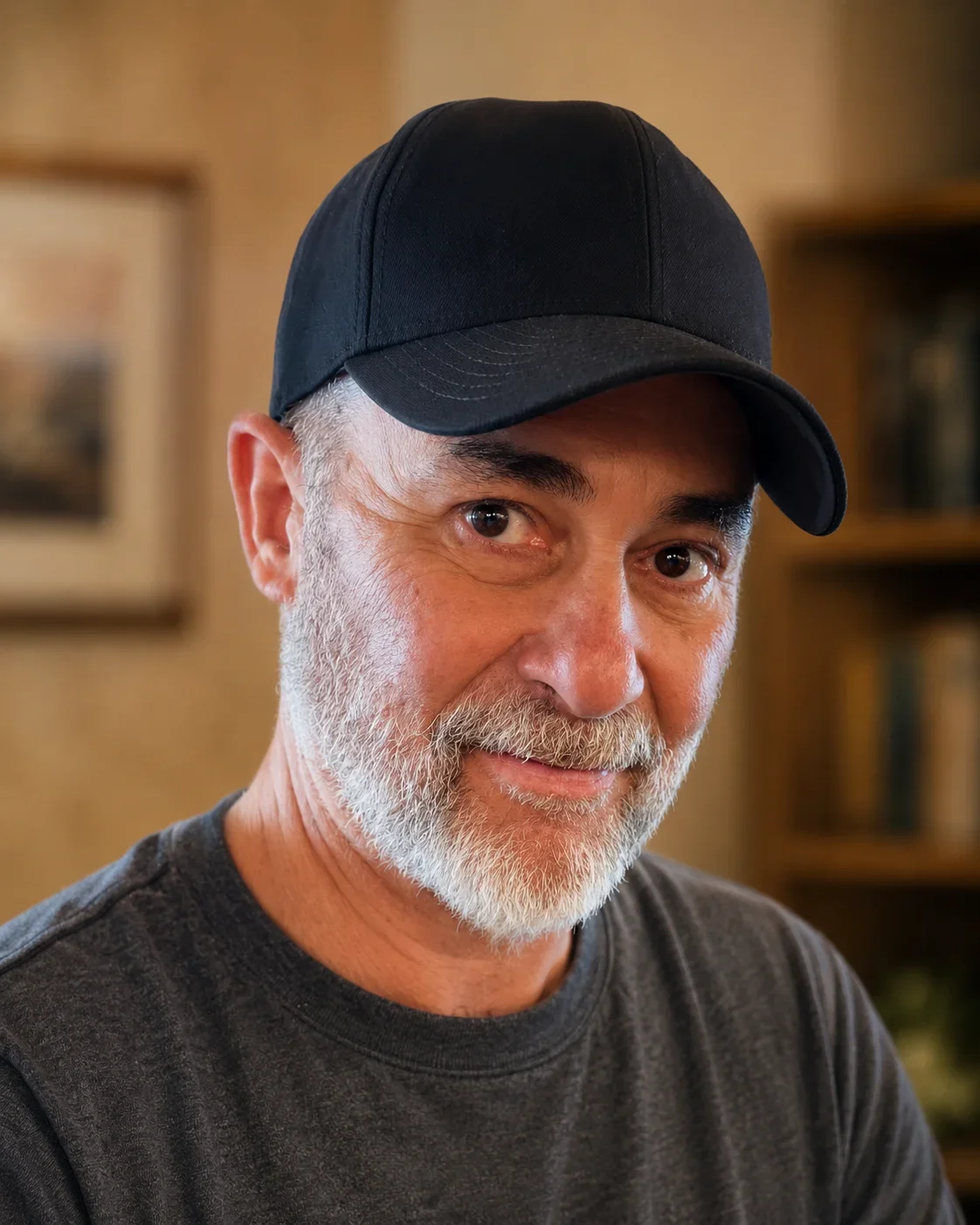
Roberto R. Díaz Blanco is a Cuban-born writer based in Israel. Trained in art history, film, radio, and television, he writes crime and noir fiction focused on moral tension, invisible workers, and the hidden violence of modern cities.