
KN Magazine: Poetry
Neighbor
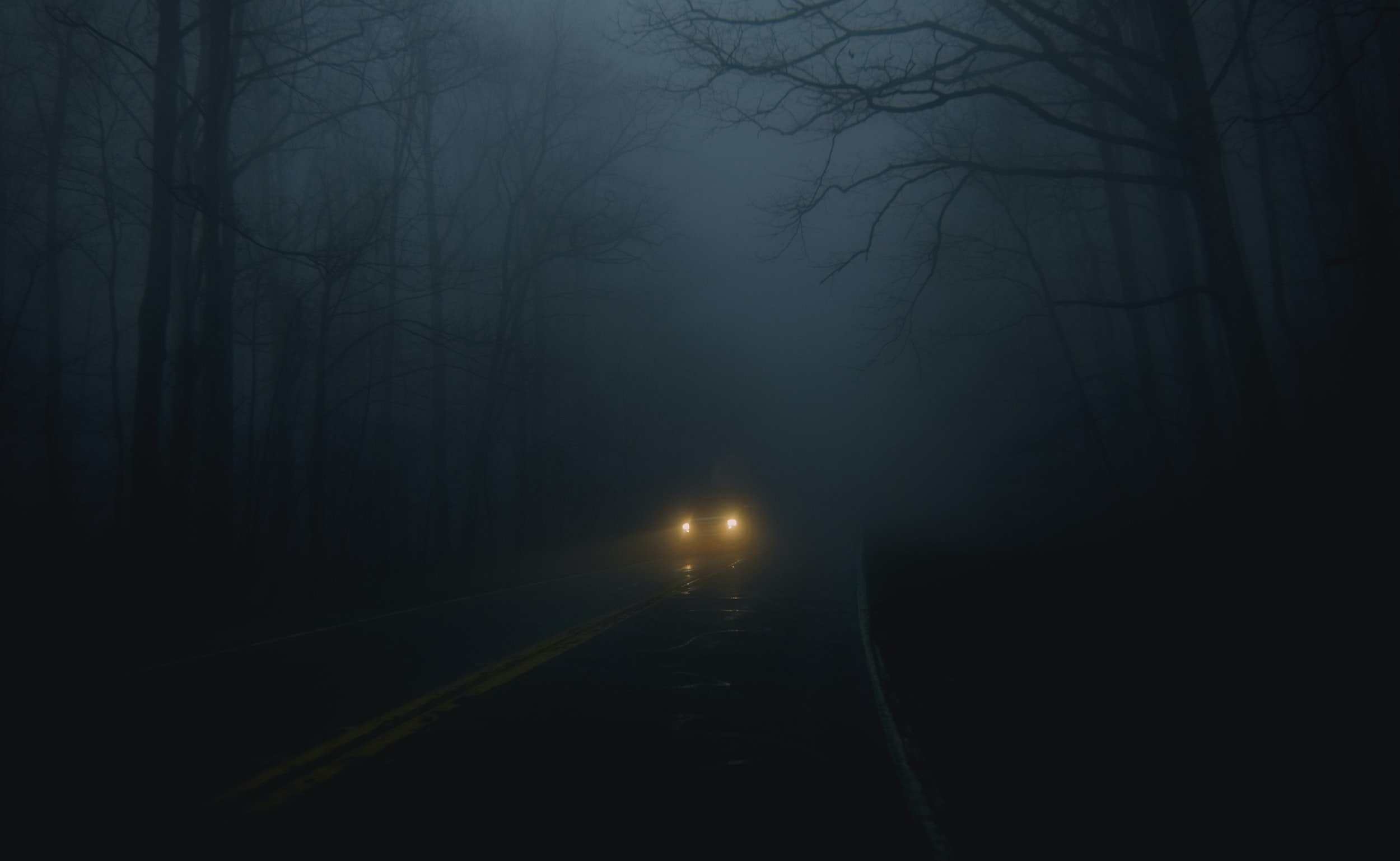
In “Neighbor,” Michael Taylor paints a haunting, atmospheric portrait of a late-night encounter suspended between reality and perception. Through vivid, unsettling imagery and a tone of quiet unease, the poem explores fear, identity, and the possibility that what we glimpse in the darkness may be a reflection of ourselves.
NIGHTPLANTER
A laborer pauses in a pine grove, struggling against weakness while continuing the quiet, necessary work of cutting stalks so they may grow again. In “Nightplanter,” Al Baron reflects on unseen labor, endurance, and the tension between personal memory and the anonymous work history requires.
FRANKLIN, ALONE?
In “Franklin, Alone?” John Grey crafts a haunting meditation on identity, memory, and isolation. Through surreal imagery—frost that deceives, an owl singing backward, and a hare leaving no trace—the poem explores the fragile line between reality and forgetting. As the speaker questions whether the name “Franklin” belongs to him or merely to the room around him, the poem drifts into a quiet psychological mystery about the erosion of self.
Butterflies
In “Butterflies,” Holly Day twists beauty and decay into a startling meditation on death. Imagining a world where brilliant moths and jewel-toned butterflies emerge from human corpses, this provocative poem challenges our revulsion toward mortality and asks whether transformation would change the way we grieve. Lyrical, unsettling, and philosophical, it confronts the thin boundary between horror and wonder.
BARHOPPING
In “Barhopping,” Al Baron traces a restless night through numbered bars, blurred memories, and unresolved ghosts. What begins as casual drinking becomes an uneasy reckoning with the past—old wounds, shared trauma, and the illusion of escape. Sharp, surreal, and darkly reflective, this poem explores guilt, repetition, and the way entrances and exits can feel equally impossible.
The Sound That Followed Me Home
A man returns to a road he swore he’d never travel again, only to find that memory is louder than silence. In “The Sound That Followed Me Home,” Topher Shields explores guilt, inheritance, and the haunting persistence of unspoken truths through spare, atmospheric verse.
THE DIMMER GLOW
A twilight meditation where landscape, memory, and unease converge. “The Dimmer Glow” moves through dusk and darkness, blurring the line between what is seen and what is remembered, as the mind turns inward and finds meaning not in brilliance, but in the quiet pull of fading light.
Calvin Stowe Stands Thwarted By The Door Of Harriet’s Writing Room, 1851
A vivid, intimate portrait of Calvin Stowe standing outside Harriet’s writing room, caught between faith, desire, resentment, and reverence, as spiritual devotion and historical contradiction collide in a charged domestic moment.
Old Faithful
A tender meditation on devotion, aging, and the quiet vigil of love, Old Faithful captures the midnight hours shared between a person and a beloved dog nearing the end of life. Through intimate imagery and restrained grief, the poem honors loyalty, caretaking, and the ache of staying awake with someone you cannot bear to leave alone.
Concerning Love
In spare, meditative lines, Concerning Love explores silence, memory, and tenderness as acts of listening. This poem reflects on what remains unspoken, suggesting that love endures not through declaration, but through the quiet depths that bind the anguished heart.
exploring the heart with clinical precision
A visceral, intimate poem that uses medical imagery and anatomy to explore vulnerability, trust, love, and the delicate work of healing emotional wounds without leaving scars.
Waffen und Sachertorte aus Wien, 1986
A moment of accidental violence unfolds in a Viennese café, where a dropped pistol skitters across marble floors amid coffee cups, cake, and quiet panic. This poem captures the uneasy collision of elegance and threat, history and etiquette, where a single object transforms civility into suspended dread.
Dust to Dust: Milepost 466
A haunting desert drive becomes a collision of memory, myth, and terror as a lone traveler confronts the revenants of her past and something far darker lurking on Route 264. A poem of place, dread, and the thin veil between the living and what listens in the night.
Light and Shadow
A lyrical poem exploring the contrast and connection between two wounded souls, whose wings—light and shadow—mirror their shared histories of hurt, healing, and longing. A meditation on love, grief, and the way two people can become each other’s dawn and dusk.
Haunts of the Past
A brief, haunting meditation on memory, regret, and the echoes of a past that refuses to let go—an intimate struggle between remembrance and resilience.
Rapeseed
In Rapeseed, Olivia Pierce Graham reflects on memory, voice, and self-interrogation through lyrical precision and haunting restraint. The poem’s quiet intensity explores how identity and sincerity shift across time—what remains, what disappears, and what still speaks back from the page.
Wounded, The Morning
In Wounded, The Morning, poet Clark Hays captures the fragile beauty and quiet brutality of dawn in an urban landscape. Through imagery of shattered glass and blooming flowers, Hays contrasts destruction and renewal, revealing how even a city shaped like a broken heart can glow with light, resilience, and rebirth.
MORE THAN YOU BARGAINED FOR
In More Than You Bargained For, John Grey transforms the classic haunted house into a chilling sonnet of gothic humor and macabre beauty. Ghosts, nuns, barons, and murdered minions all inhabit this centuries-old mansion, where the true price of ownership is far more than anyone could have imagined. A sharp, rhythmic reminder that in real estate—and in life—location isn’t everything.

Submit Your Writing to KN Magazine
Want to have your writing included in Killer Nashville Magazine?
Fill out our submission form and upload your writing here: