

KN Magazine: Interviews
Clay Stafford talks with Otto Penzler on “What Truly Sustains a Long-Term Writing Career”
For more than fifty years, Otto Penzler has helped define what it means to build a lasting career in crime fiction. In this candid conversation with Clay Stafford, Penzler shares hard-earned insights on discipline, style, productivity, and professionalism—and why talent alone is never enough to sustain a writing life. From daily habits to editor–author relationships, this interview offers a masterclass in longevity from one of the genre’s most influential figures.
Otto Penzler interviewed by Clay Stafford
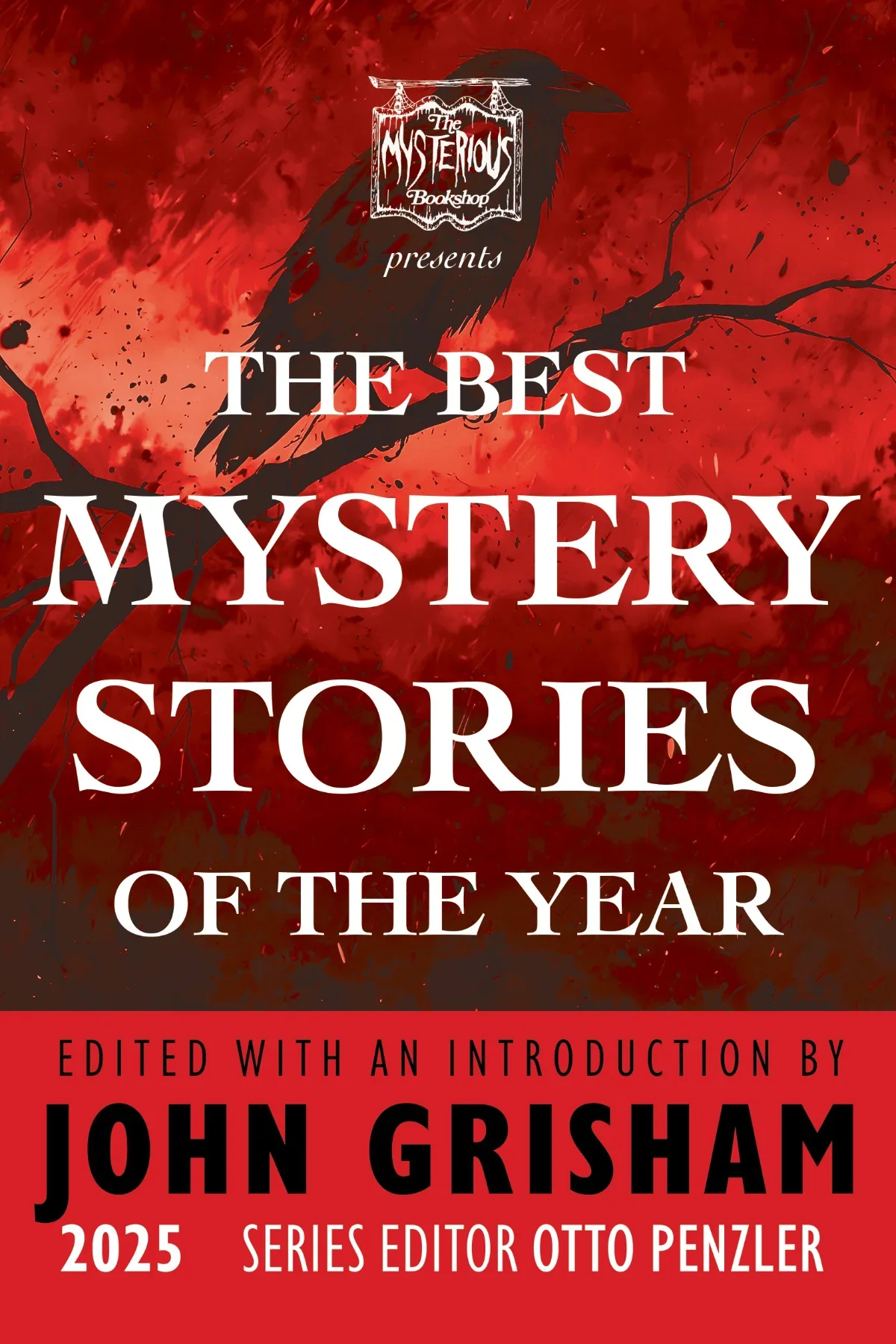
For more than fifty years, Otto Penzler has shaped the landscape of crime, mystery, and suspense. As a publisher, editor, bookstore owner, and champion of the genre, he has worked with and nurtured some of the most enduring voices in our field. From that unique vantage point, Penzler has seen what sustains a writer’s career and what quietly ends it. From The Mysterious Bookshop in New York City, we spoke about longevity, professionalism, and why habits matter as much as talent in the making of a crime writer. “Otto, you’ve seen a lot of writers in the past fifty years come and go. What’s the real difference between a writer who lasts and one who fades after their first success?”
“It’s a good character and a great style. Every now and then, you can do it with an incredible plot, a surprising twist, or with the creation of a kind of suspense that’s difficult to pull off. But most of the writers who have lasted fifty years, writers from the 60s, 70s, and 80s who are still in print and being read, have a style that’s more than simple declarative sentences. There’s color and texture in their language, in their prose.”
“Looking at the professionals, what habits or attitudes do those career writers seem to share from your perspective as an editor and publisher?”
“Most successful writers treat it as a job. They don’t wait for inspiration to go to the typewriter or computer. They go to work every day, writing all the time and reading all the time. Those are indispensable. If you’re waiting for that flash of inspiration, you’re never going to make it. You have to keep at it even if you’re sick, hungover, or too busy. If all of those things are true, you still need regular time for writing.”
“How much of it is habits rather than talent? Obviously, you have to have talent, but is it more about habits?”
“I think it’s dedication to your job, to your career. As an editor, I hold writers in such high esteem. They’re almost god-like to me in the way they create living characters and write about them in a fascinating, unput-downable way. But they have to take it seriously. They have to keep working at it. You can have all the talent in the world, but if you can’t produce a book with some regularity, you’re not going to have success. Waiting five years between books makes it tough for a publisher to promote a writer who seems like a debut every time they publish. Ed McBain/Evan Hunter had a shack built about 100 yards from his house. At nine in the morning, he’d go there and start typing. At twelve, he broke for lunch. At one, he came back. At five, he stopped. If it was mid-sentence, so much the better, because when he came back the next day, he knew exactly how to finish what he left undone.”
“If an author has a very successful first book, how do they top that with the next one?”
“By trying and getting better. The more you write, the better you get. It’s not always true; some people have only one book in them, maybe two, but most veteran writers will say the second book is the hardest because they’ve had years to think about the first. Once it’s out, now they have to do it again under pressure. Sometimes they fail, sometimes they succeed. Look at Michael Connelly. He started out with a successful first book, kept going, and a year later produced another that was probably even better. He’s maintained that level of excellence through more than thirty books. It’s remarkable.”
“He’s done okay for himself,” I smile.
“He has, and he works hard. He’s writing two books a year now. He’s been writing and producing Bosch, plus involvement with The Lincoln Lawyer and another series about his female detective, Renée. He works all the time.”
“Times change quickly, and writing can become dated. How does a writer stay contemporary?”
“Live in the world. Pay attention to other books, movies, television. Talk to people. Be in the real world. Don’t lock yourself in an attic and cut yourself off.”
“You’ve worked with many personalities from your side of the desk. What kind of relationship with an editor or publisher sustains a career rather than making Otto Penzler angry?”
“Be a nice person, write good books, and be a nice person. Then there’s no problem. Very few writers I’ve worked with were absolutely resistant to suggestions. I tend to have a fairly heavy editorial hand, and I’m somewhat opinionated.”
“Are you?” I smile again.
“Yes. I’ll say, ‘Don’t use that word, it’s a cliché, it’s trite. Come up with something better.’ And they’ll say, ‘No, it’s perfect for here.’ I’ll say, ‘No, it’s not.’ Then they’ll say, ‘Okay, let me think about it.’”
“And you’ve got the barrels of ink, right?” giving my reference to the publisher having the power because they have the ink.
“I do, but look: it’s their book. The author’s name is on the book. I’m not a writer; I don’t want to write the book. But I do want it to be as good as it can be. That’s my job as an editor: to make the author’s book better than it started.”
“You’ve had authors become brands. How do you keep them from becoming predictable? Sometimes people say a writer is ‘writing the same book over and over’ and doing well at it.”
“If I were publishing Lee Child—I did publish his last two books—but if I were publishing the Jack Reacher novels and said after twelve, ‘You’re writing the same book,’ I’d be an idiot. Even if the books have structural similarities, readers love them and can’t wait for the next one. I’d be an idiot to mess with that.”
“There’s something about ka-ching, ka-ching that keeps it going, right?”
“Yeah. And using Lee as an example, those books are endlessly fascinating. I don’t care if they’re structurally similar to the previous ten. I liked reading every one of them. Agatha Christie did that for a very long career and remains tremendously popular long after her death.”
“For building a career, and for helping a publisher, is one book a year the sweet spot?”
“I’d say yes, if you can. There are writers with series who work very hard, like Robert Crais. Crais is slower; he’s meticulous with language and making sure everything meshes, so it takes him two years. Michael Connelly can write two in a year, which is tremendous. I don’t know how they do it. But yes, ideally one a year is good. Publishers get continuity; readers know what to expect. In hardcover publishing, when the new hardcover comes out, the previous book can come out in paperback simultaneously.”
“When an author underperforms, how do you advise them to turn the trajectory back up?”
“That’s really hard. Sometimes it’s the same book that’s been successful six or ten or twelve times, and suddenly the readership starts to fall. You watch numbers sink book after book. The only advice at that point is to try something different, create a different character, or write a different kind of book. But that’s tricky because writers find their comfort zone. Telling them, ‘It’s not working anymore, do something different,’ can be difficult because they may not know how.”
“Same advice if the genre goes out of style? Reinvent?”
“If you can. Writing is hard, the hardest thing I can imagine. I’d rather do yard work. If you know how to write one kind of book and someone says, ‘Write a different kind,’ that may not be possible.”
“If you could give one truth about building a career that lasts, aimed at a new writer, what would it be?”
“Assuming your career starts with a single book, make that book the best you can possibly make it. After that, try to do the same thing even better. How do you make it better? Give more information about the character, make the character come to life more fully, and polish your prose. Read each sentence over and over. Read it out loud. I learned that when I used to write The Reasoner Report for Harry Reasoner. When you read out loud, you hear cadence, and you catch repetition; using the same word three times on a page is irritating to a reader. Reading aloud helps you catch that. It seems like a small trick, but it’s not a waste of time.”
Otto Penzler has built a career elevating writers who take the work seriously; writers who show up, improve their craft, and respect the reader’s and editor’s time. His perspective is a reminder that longevity in this field is not an accident. It is built on discipline, style, character, and the willingness to keep getting better long after the first success.

Clay Stafford is a bestselling writer, filmmaker, and founder of the Killer Nashville International Writers’ Conference, Killer Nashville Magazine, and the Killer Nashville University streaming service. Subscribe to his newsletter at https://claystafford.com/.

Otto Penzler is the proprietor of The Mysterious Bookshop and the president and CEO of Penzler Publishers. He has won a Raven, the Ellery Queen Award, two Edgars, and lifetime achievement awards from Noircon and The Strand Magazine. He has edited more than 80 anthologies and written extensively about mystery fiction. https://penzlerpublishers.com/

Submit Your Writing to KN Magazine
Want to have your writing included in Killer Nashville Magazine?
Fill out our submission form and upload your writing here: