Lyla Lane interviewed by Clay Stafford
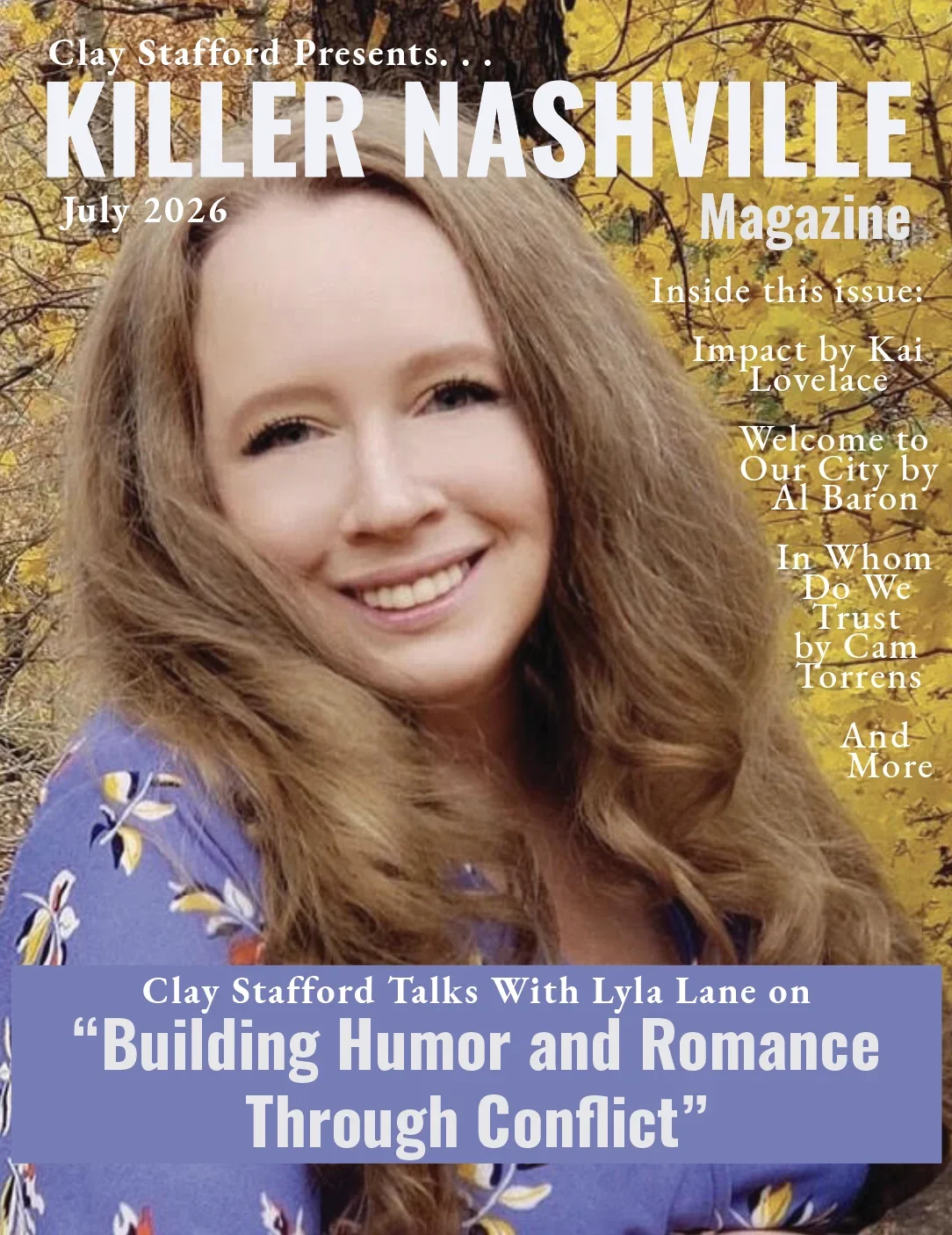
Blending humor, romance, and mystery requires careful control of timing, conflict, and character voice, all skills Lyla Lane has refined across multiple genres. Writing under the pen name of bestselling author Sonia Hartl, Lane brings a playful narrative style and a sharp sense of emotional tension to her stories. In this conversation, she shares how humor grows from character discomfort, how romantic tension builds through conflict, and how writers can balance lightness with meaningful stakes without losing momentum. “Lyla, let’s look at humor, because not everyone can write it, and you’ve got some really funny stuff going on. At the earliest stage of a story, where does humor come from for you? Does it come out of the character situation? Your voice? I mean, are you a funny person, or is it something else? And how do you recognize it, maybe even before you start writing?”
“I think I’ve always written with humor. I’d like to think I’m humorous in life, and so my narrative voice has always been humorous. I always find little quips or jokes to put into the book, and I think a lot of that comes from my foundation of starting out with writing rom-coms and things like that, so I’ve always had that humorous bent in my story. So when I was writing a mystery, I naturally gravitated toward cozies because they can be a little bit lighter and funnier while still keeping that humor in the story.”
“You can tell it’s your voice. Is that something that can be learned? Can humor be learned?”
“Yes and no. Yes, I think it’s something you can work on. It’s not something I learned or was taught specifically. It just came out through my writing, but I think it can get stronger as you write more.”
“How do you develop a character’s sense of humor so it feels organic to who they are, rather than just pasted onto the page as jokes?”
“I think for characters, it’s always helpful to find ways to make them uncomfortable or take them out of their normal situation. I think humor arises in that fish-out-of-water scenario. Conflict drives stories so often. I think finding ways not just to have conflict between characters, but also to have characters conflict with their setting and circumstances, is key. If you’re always having conflict, you’re going to run into some fish-out-of-water scenarios where humor can be used.”
“Are there craft decisions that help you control the timing and rhythm on the page, especially since written humor doesn’t always have the benefit of delivery or performance? It’s like writing texts. You never know how it is going to land or be received.”
“Humor is so subjective. It doesn’t always land with everybody. I used to deliver flowers, and my boss taught me this when she was helping me make arrangements. She said, ‘If it looks good to you, it will look good to somebody else.’ So that’s kind of my rule of thumb with humor. If I think it’s funny, somebody else will find it funny. And if somebody doesn’t, it’s just subjective, like anything else.”
“How do you balance humor with emotional stakes so that the comedy enhances the story instead of undercutting the tension or credibility? You’ve got some tight moments there, and yet you come up with something funny in the middle of them.”
“I think anyone who has ever used humor as a coping mechanism gets it. It’s a perfect coping mechanism for situations, and sometimes funny things can come out of them.”
“During revision, how do you evaluate whether a humorous moment truly serves the story, and what tells you it needs to be cut, softened, or sharpened?”
“It depends on how I feel when I’m reading it back. Sometimes I like to take a little distance from my manuscripts, and then I can approach them with a fresh eye when I come back. I can say, ‘you know what, this situation needs a little bit more gravity, maybe I shouldn’t have that line in there; it doesn’t really land right with me.’ A lot of it is just gut instinct.”
“You said distance. Maybe you finished a draft, set it aside for a bit, and walked away. How long do you stay away from it?”
“I can stay away for a month or two.”
“Really, that long?”
“That gives me a fresh perspective on it. It really depends on the deadlines I’m working with. If I have time to write a book and set it aside for a bit, I do, and I try to. If I’m on deadline, of course, I don’t have that luxury, but that’s why I have my editor step in and say, ‘Hey, maybe this isn’t the right line for this time.’”
“Do you sometimes go back a month or two later, read it, and go, ‘I don’t even remember writing this?’”
“All the time. I really do like coming to a manuscript with fresh eyes because, at that point, I’ve stepped back enough to take a more honest approach to it. It doesn’t feel as close to me.”
“I got wrapped up in the romantic tension you built in your latest book. At the very beginning of any story, whether it’s a rom-com or another genre, what tells you that romantic tension belongs here and what form it should take before romance ever appears on the page itself?”
“I usually plan the romance from the beginning, so I know who the love interest is and what their backstory and history are before I write a single word. And, again, it usually comes from conflict. Cordelia and Archer were childhood enemies, if you will. He was just a boy doing boy things, and she found him irritating. Then they meet again as adults, and there’s that history of, ‘I know who you were as a child, but I don’t really know who you are as an adult,’ and it’s getting to know someone all over again while still knowing them.”
“Isn’t it funny that we sometimes start loving what we hate? There’s humor in that, isn’t there? So, how do you establish attraction without resolving it too quickly? What early craft choices create desire, restraint, and friction, instead of just the instant payoff that I think a lot of writers want to go for?”
“I think, especially because I’m hoping to make this a series, I want that relationship to be more of a slow burn, and I think it just comes from their personal wounds and reasons for pulling back. I add that into the story. They’re already at odds because it’s his father whose murder they’re trying to solve, and they’re initially the suspects. So there’s a lot of conflict and tension built into that as well, and it keeps them at a distance while still keeping the attraction front and center, while also coming up with reasons why it doesn’t work at that time.”
“And, you know, falling for someone whose father you may be accused of murdering is a conflict unto itself.”
“There’s a primary conflict, and there’s also conflict rooted in their history; they come from different sides of the tracks. There are all kinds of built-in conflicts there. I don’t want it to be just one thing, because once the murder is solved, I don’t want them to be like, ‘Okay, well, now we can be together.’ I don’t want it to be that easy. Romance should never be that easy.”
“I felt like I was watching a Friends episode or something, get together, get together! Right when the proverbial kiss is about to happen, something intervenes.”
“That’s just the way to keep building tension.”
“What role do internal conflict and opposing desires play in sustaining romantic tension beyond physical attraction? There’s obviously physical attraction here, but things keep getting in the way.”
“I think it’s also important to build a foundation beyond physical attraction. Physical attraction can be a starting point for romance, but it has to go deeper. It has to start getting deeper. So that’s when they start having conversations: they start connecting over things, they start disagreeing on things, and that’s when they start building the emotional foundation.”
“And no spoiler alerts here, but I love how dates don’t work out, and something seems like it’s going to work, and then suddenly it doesn’t.”
“I think banter is part of keeping that tension. It’s that back-and-forth, volleying conversation. It keeps things moving.”
“During revision, how do you evaluate whether the romantic tension is working for you, and what signals tell you it needs to be sharpened, slowed down, or released?”
“When I’m writing a romance, I mainly go by, ‘Is this giving me butterflies? Am I getting romantic feelings while writing this, or am I bored?’ If I’m bored with myself, then it’s not working. So that’s how I know it’s working.”
“Like we were talking about with humor, do you think romance can be taught?”
“I definitely think it is a craft thing, and I think it can definitely be taught, including how to build yearning and tension, and all of those things that are in romance.”
“For writers reading this, how do you pace romantic tension throughout the story so it escalates naturally alongside the plot, rather than stalling or repeating the same beat? It seems like you’ve got mountains and valleys, but no plateaus. How can you advise writers on how to do that?”
“I think it helps with this particular story to keep the primary plot from being the romance, because then I can throw in obstacles based on the mystery’s plot structure. It makes it easier to create more obstacles to keep them apart, whereas in a traditional romance, the obstacles are different. It has to do more with internal things, whereas within the mystery, I can add some external obstacles, too, like other people appearing or suspects changing. Things like that can add tension to the romance and keep them apart.”
“Once again, we’re returning to conflicts.”
“Everything centers on conflict for me. Every answer about writing comes down to conflict because conflict drives the story 100% of the time.”

Clay Stafford is a bestselling writer, filmmaker, and founder of the Killer Nashville International Writers’ Conference, Killer Nashville Magazine, and Killer Nashville University. https://claystafford.com/
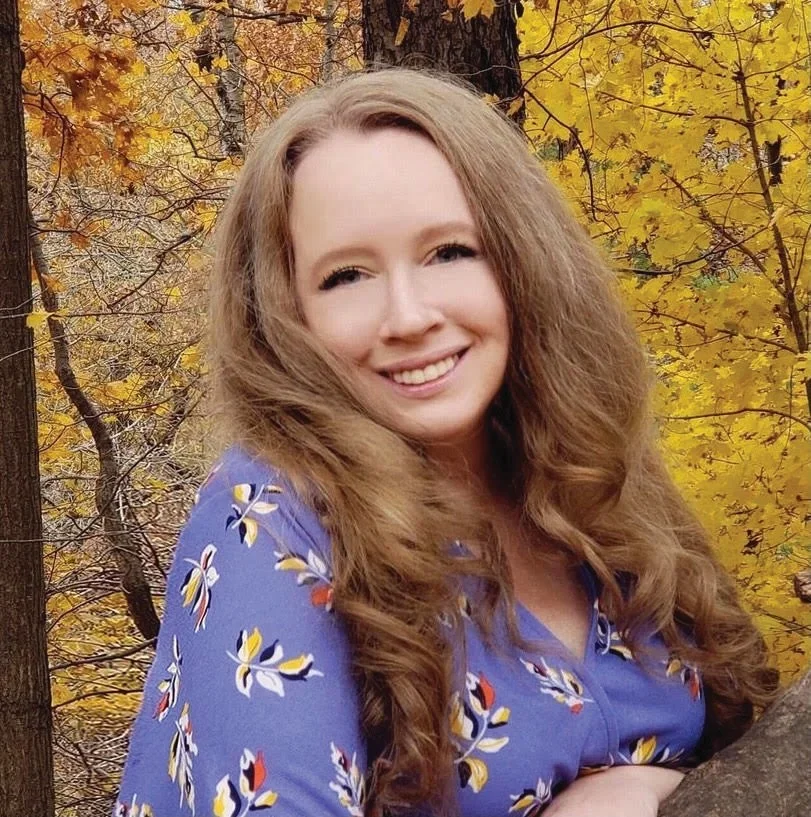
Lyla Lane is a pen name for Sonia Hartl, author of the romcoms Rent to Be and Heartbreak for Hire, which have been optioned for television, as well as the YA novels Not Your #Lovestory, Have a Little Faith in Me, and The Lost Girls, also optioned for television. She lives in Grand Rapids with her husband and two daughters. https://www.lylalane.com/