

KN Magazine: Interviews
Clay Stafford talks with Charles Todd on “Character, Psychology, and the Craft of Story”
In this in-depth conversation, New York Times bestselling author Charles Todd joins Clay Stafford to explore the psychology behind enduring characters, the power of silence in storytelling, and how historical detail should reveal character rather than decorate a page. From Inspector Ian Rutledge’s moral complexity to Bess Crawford’s carefully built inner life, Todd shares insight into writing crime fiction rooted in emotional truth—and why finishing the book matters more than perfecting the research.
Charles Todd interviewed by Clay Stafford
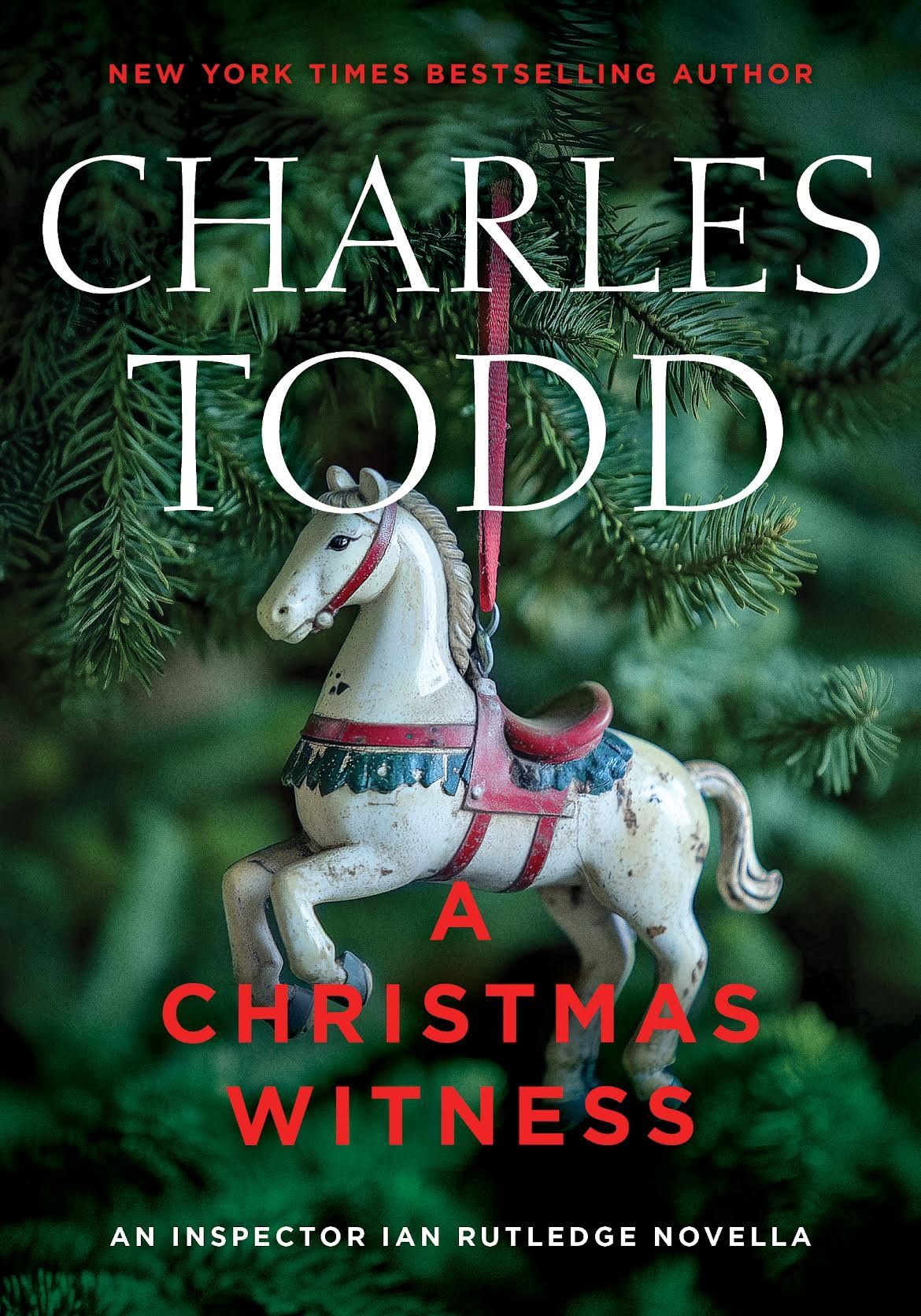
Few crime series balance psychological depth, historical authenticity, and narrative restraint as gracefully as Charles Todd’s Inspector Ian Rutledge and Bess Crawford novels. Over decades, Charles has built characters who evolve, crimes rooted in emotional truth, and historical worlds that feel lived rather than researched. Charles and I spoke about detail, psychology, silence, and the moral core that sustains long-running characters. “Charles, what kind of details do you find most effective for pulling readers in? If you’re trying to stay spare, how do you decide what to include?”
“I choose details that reveal character, not decoration. For instance, in 1919, pub hours changed after the war, and the beer was weaker: ‘government beer.’ Two men might grumble about it, and in that exchange, you learn the time period, the mood, and a bit of social history without any lecture. A few well-chosen words can carry an era. I’ll describe a setting only long enough for readers to see what Rutledge sees. After that, it’s the people and the story that matter. If you linger too long, attention drifts.”
“Do you ever worry that writing inside a defined historical period will eventually limit your stories?”
“Not at all. Limits actually create invention. When we’d written several Rutledge books, we realized some stories didn’t fit his Scotland Yard life. That’s where Bess Crawford came from. We wanted the female perspective of the war years, someone who could move more freely and see the human side. A Duty to the Dead began with a dying soldier asking Bess to deliver a message to his family. When she does, their indifference puzzles her, and that puzzle becomes the plot. Constraints don’t stifle story; they shape it. With Rutledge, he’s bound by duty and rank, so each case challenges both his intellect and his conscience. In The Gate Keeper, he isn’t even assigned a case; he simply comes upon a murder after his sister’s wedding. A man in a tuxedo dead in the road, a woman in an evening gown beside him. That single moment opened an entire story. Curiosity fuels everything.”
“At Killer Nashville, I meet writers who spend years researching the same historical novel because they’re afraid of getting something wrong. What would you tell them?”
“Finish the book. The difference between a writer and an author is that an author finishes. Research is important, but it’s also a wonderful excuse for never typing ‘The End.’ You learn more by writing a complete novel than by gathering another year of notes. Even if it’s the worst book ever written, you’ll come out knowing how to make the next one better. Don’t chase perfection, chase completion. A career is built on progress, not polishing one manuscript forever.”
“Your characters are psychologically rich. How do you build that inner life so readers don’t just observe it, they feel it?”
“We began by knowing exactly who these people were. With Rutledge, we explored the consequences of war trauma long before it was fashionable. Each case leaves a mark, and he evolves with every book. That growth keeps him real. Readers need a reason to care. When your character faces danger, they should worry. Conan Doyle achieved that with Sherlock Holmes. Holmes is eccentric to the edge of madness, yet there’s a moral core you root for. That’s what I want for Rutledge and Bess. They’re flawed, but their integrity holds.”
“How did you and your mother, Caroline, your co-author, shape Bess Crawford when you began?”
“We asked, ‘Who is she before the first page?’ We didn’t want a fainting heroine or a flapper stereotype. We wanted a capable young woman raised in the military world. Her father became a retired regimental colonel stationed in India. That background gave her discipline and familiarity with rank she’d need as a nurse in Queen Alexandra’s Imperial Nursing Corps. She’s athletic, self-reliant, compassionate, a bridge between the old world and the modern one. We built her piece by piece until she could stand on her own.”
“Readers connect deeply with both Bess and Rutledge. They feel almost like family.”
“They are to me. After all these years, I can’t imagine walking away from them. Each still has more story to tell. That’s what you hope for, that characters become real not only for readers, but for you.”
“When you create the crimes themselves, which comes first, the act or the emotion behind it?”
“Usually, the emotion. Every murderer has a reason. The crime springs from that wound. Often, the killer and the detective are reflections of each other, two sides of the same question. Rutledge understands guilt and grief intimately, so when he confronts someone driven by those forces, he understands them too well. That tension drives the story.”
“I think of A Cold Treachery, where a family is found murdered in a blizzard, and one child is missing. The horror comes from what’s implied rather than shown.”
“Exactly. We didn’t need gore. The police officers refuse to enter the house because it’s so terrible; that says everything. Then we add the moral tension: what if the killer joins the search party? What if he finds the boy first? Suspense often lies in what you withhold.”
“When you write scenes like that, how do you decide where to stop the camera, so to speak?”
“You stop at the line where imagination takes over. Let readers participate. If you describe every drop of blood, they recoil. If you show them the aftermath and the silence around it, they feel it more deeply. Suggestion is stronger than display.”
“Rutledge often says less than he knows. His quiet carries meaning. How do you write silence that communicates?”
“Silence depends on context. Think of snowfall. It muffles the world and absorbs sound. That’s why I ended one book during snowfall. You feel the hush. The same is true emotionally. When a character doesn’t speak, the reader fills the space with understanding. In dialogue, a pause can be more powerful than a speech. But you have to earn it.”
“Many of your scenes use weather or landscape almost as emotional mirrors.”
“Weather is mood. A storm can’t solve a plot problem, but it can echo one. In A Cold Treachery, the blizzard closes in until everyone is trapped, physically and morally. The setting becomes conscience made visible.”
“After so many books, how do you keep discovering new sides of Rutledge and Bess?”
“By remembering that people change. Each case tests Rutledge differently. He’s not the same man he was in A Test of Wills. He’s older, more introspective, sometimes more haunted. If a series character never evolves, the stories die long before the series does. The trick is continuity without repetition. Readers want familiarity, not stagnation. I know Rutledge’s moral compass, but I can still surprise him and myself with how far he’ll go to follow it.”
“You’ve written convincingly about trauma, guilt, and moral conflict, things not easily researched in archives. How do you access that truth?”
“Observation. Writers should be professional people-watchers. I’ll sit on an airplane and listen to voices behind me, then guess the relationship between those people just from tone. When I see them later, I compare what I imagined to who they are. It sharpens instinct. It works anywhere. Sit in a pub and listen. Notice who speaks, who stays quiet, how groups form. Every gesture tells a story. The British, for example, are reserved; they won’t speak about themselves, but they’ll talk endlessly about their dogs. Compliment a dog, and you’ll learn more about the owner than by asking direct questions. History lives in behavior as much as in documents. When I walk through a market square and talk with vendors, I hear pride, humor, and local rhythm. Those cadences enter the page. That’s the difference between authentic voice and imitation.”
“For a writer who wants psychologically complex characters but doesn’t know where to begin, where should they start?”
“Start with empathy. Ask: What keeps this person awake at night? What do they fear losing most? Biography can come later. The inner question comes first. Then observe people. Notice how they hide pain, mask anger, react when embarrassed. Real emotions are never tidy. If you capture that, you’re halfway to a believable character.”
“For someone dreaming of writing a historical novel, what’s your best advice?”
“Don’t choose a period simply because you like the costumes. Ask what conflicts and moral questions mattered then. Would your story make sense in that world? You can’t transplant a modern plot into Elizabethan England and call it historical. When I wrote The Christmas Witness, I tried weaving a familiar Christmas story into Rutledge’s world. I wasn’t sure it would work, but I finished it. You have to think through every choice until history and story become inseparable. That’s when a novel stops being ‘historical fiction’ and becomes simply fiction true to its time.”
“True to its time. I like that.”
“That’s all we can ask, tell a story that feels lived in, not visited. Let the reader forget they’re in another century.”

Clay Stafford is a bestselling writer, filmmaker, and founder of the Killer Nashville International Writers’ Conference, Killer Nashville Magazine, and Killer Nashville University. https://claystafford.com/

Charles Todd is the New York Times bestselling author of the Inspector Ian Rutledge mysteries, the Bess Crawford mysteries, and two stand-alone novels. Originally a mother-and-son writing team, Caroline passed away in August 2021, and Charles lives in Florida. https://charlestodd.com/
Clay Stafford talks with Otto Penzler on “What Truly Sustains a Long-Term Writing Career”
For more than fifty years, Otto Penzler has helped define what it means to build a lasting career in crime fiction. In this candid conversation with Clay Stafford, Penzler shares hard-earned insights on discipline, style, productivity, and professionalism—and why talent alone is never enough to sustain a writing life. From daily habits to editor–author relationships, this interview offers a masterclass in longevity from one of the genre’s most influential figures.
Otto Penzler interviewed by Clay Stafford
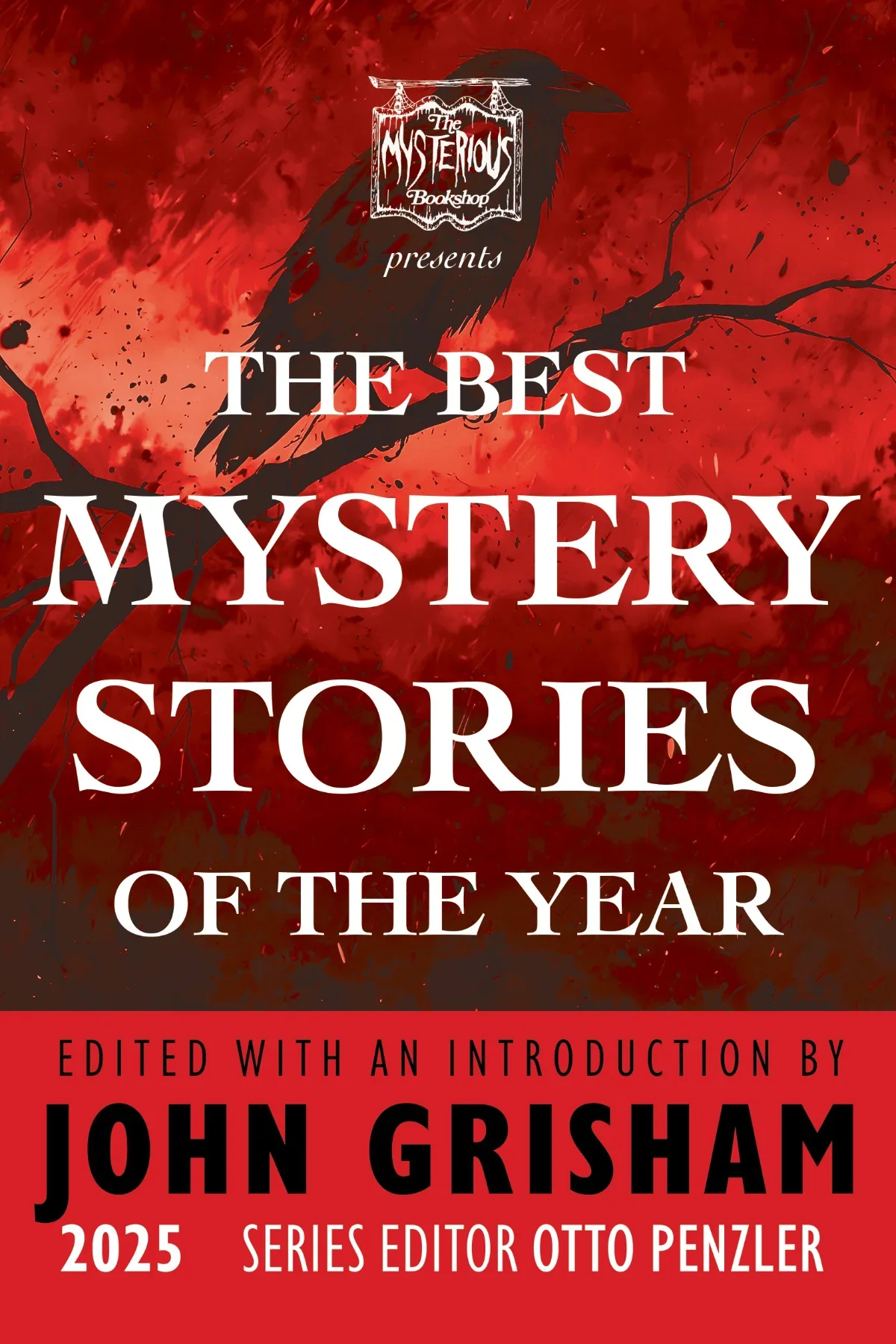
For more than fifty years, Otto Penzler has shaped the landscape of crime, mystery, and suspense. As a publisher, editor, bookstore owner, and champion of the genre, he has worked with and nurtured some of the most enduring voices in our field. From that unique vantage point, Penzler has seen what sustains a writer’s career and what quietly ends it. From The Mysterious Bookshop in New York City, we spoke about longevity, professionalism, and why habits matter as much as talent in the making of a crime writer. “Otto, you’ve seen a lot of writers in the past fifty years come and go. What’s the real difference between a writer who lasts and one who fades after their first success?”
“It’s a good character and a great style. Every now and then, you can do it with an incredible plot, a surprising twist, or with the creation of a kind of suspense that’s difficult to pull off. But most of the writers who have lasted fifty years, writers from the 60s, 70s, and 80s who are still in print and being read, have a style that’s more than simple declarative sentences. There’s color and texture in their language, in their prose.”
“Looking at the professionals, what habits or attitudes do those career writers seem to share from your perspective as an editor and publisher?”
“Most successful writers treat it as a job. They don’t wait for inspiration to go to the typewriter or computer. They go to work every day, writing all the time and reading all the time. Those are indispensable. If you’re waiting for that flash of inspiration, you’re never going to make it. You have to keep at it even if you’re sick, hungover, or too busy. If all of those things are true, you still need regular time for writing.”
“How much of it is habits rather than talent? Obviously, you have to have talent, but is it more about habits?”
“I think it’s dedication to your job, to your career. As an editor, I hold writers in such high esteem. They’re almost god-like to me in the way they create living characters and write about them in a fascinating, unput-downable way. But they have to take it seriously. They have to keep working at it. You can have all the talent in the world, but if you can’t produce a book with some regularity, you’re not going to have success. Waiting five years between books makes it tough for a publisher to promote a writer who seems like a debut every time they publish. Ed McBain/Evan Hunter had a shack built about 100 yards from his house. At nine in the morning, he’d go there and start typing. At twelve, he broke for lunch. At one, he came back. At five, he stopped. If it was mid-sentence, so much the better, because when he came back the next day, he knew exactly how to finish what he left undone.”
“If an author has a very successful first book, how do they top that with the next one?”
“By trying and getting better. The more you write, the better you get. It’s not always true; some people have only one book in them, maybe two, but most veteran writers will say the second book is the hardest because they’ve had years to think about the first. Once it’s out, now they have to do it again under pressure. Sometimes they fail, sometimes they succeed. Look at Michael Connelly. He started out with a successful first book, kept going, and a year later produced another that was probably even better. He’s maintained that level of excellence through more than thirty books. It’s remarkable.”
“He’s done okay for himself,” I smile.
“He has, and he works hard. He’s writing two books a year now. He’s been writing and producing Bosch, plus involvement with The Lincoln Lawyer and another series about his female detective, Renée. He works all the time.”
“Times change quickly, and writing can become dated. How does a writer stay contemporary?”
“Live in the world. Pay attention to other books, movies, television. Talk to people. Be in the real world. Don’t lock yourself in an attic and cut yourself off.”
“You’ve worked with many personalities from your side of the desk. What kind of relationship with an editor or publisher sustains a career rather than making Otto Penzler angry?”
“Be a nice person, write good books, and be a nice person. Then there’s no problem. Very few writers I’ve worked with were absolutely resistant to suggestions. I tend to have a fairly heavy editorial hand, and I’m somewhat opinionated.”
“Are you?” I smile again.
“Yes. I’ll say, ‘Don’t use that word, it’s a cliché, it’s trite. Come up with something better.’ And they’ll say, ‘No, it’s perfect for here.’ I’ll say, ‘No, it’s not.’ Then they’ll say, ‘Okay, let me think about it.’”
“And you’ve got the barrels of ink, right?” giving my reference to the publisher having the power because they have the ink.
“I do, but look: it’s their book. The author’s name is on the book. I’m not a writer; I don’t want to write the book. But I do want it to be as good as it can be. That’s my job as an editor: to make the author’s book better than it started.”
“You’ve had authors become brands. How do you keep them from becoming predictable? Sometimes people say a writer is ‘writing the same book over and over’ and doing well at it.”
“If I were publishing Lee Child—I did publish his last two books—but if I were publishing the Jack Reacher novels and said after twelve, ‘You’re writing the same book,’ I’d be an idiot. Even if the books have structural similarities, readers love them and can’t wait for the next one. I’d be an idiot to mess with that.”
“There’s something about ka-ching, ka-ching that keeps it going, right?”
“Yeah. And using Lee as an example, those books are endlessly fascinating. I don’t care if they’re structurally similar to the previous ten. I liked reading every one of them. Agatha Christie did that for a very long career and remains tremendously popular long after her death.”
“For building a career, and for helping a publisher, is one book a year the sweet spot?”
“I’d say yes, if you can. There are writers with series who work very hard, like Robert Crais. Crais is slower; he’s meticulous with language and making sure everything meshes, so it takes him two years. Michael Connelly can write two in a year, which is tremendous. I don’t know how they do it. But yes, ideally one a year is good. Publishers get continuity; readers know what to expect. In hardcover publishing, when the new hardcover comes out, the previous book can come out in paperback simultaneously.”
“When an author underperforms, how do you advise them to turn the trajectory back up?”
“That’s really hard. Sometimes it’s the same book that’s been successful six or ten or twelve times, and suddenly the readership starts to fall. You watch numbers sink book after book. The only advice at that point is to try something different, create a different character, or write a different kind of book. But that’s tricky because writers find their comfort zone. Telling them, ‘It’s not working anymore, do something different,’ can be difficult because they may not know how.”
“Same advice if the genre goes out of style? Reinvent?”
“If you can. Writing is hard, the hardest thing I can imagine. I’d rather do yard work. If you know how to write one kind of book and someone says, ‘Write a different kind,’ that may not be possible.”
“If you could give one truth about building a career that lasts, aimed at a new writer, what would it be?”
“Assuming your career starts with a single book, make that book the best you can possibly make it. After that, try to do the same thing even better. How do you make it better? Give more information about the character, make the character come to life more fully, and polish your prose. Read each sentence over and over. Read it out loud. I learned that when I used to write The Reasoner Report for Harry Reasoner. When you read out loud, you hear cadence, and you catch repetition; using the same word three times on a page is irritating to a reader. Reading aloud helps you catch that. It seems like a small trick, but it’s not a waste of time.”
Otto Penzler has built a career elevating writers who take the work seriously; writers who show up, improve their craft, and respect the reader’s and editor’s time. His perspective is a reminder that longevity in this field is not an accident. It is built on discipline, style, character, and the willingness to keep getting better long after the first success.
Clay Stafford is a bestselling writer, filmmaker, and founder of the Killer Nashville International Writers’ Conference, Killer Nashville Magazine, and the Killer Nashville University streaming service. Subscribe to his newsletter at https://claystafford.com/.

Otto Penzler is the proprietor of The Mysterious Bookshop and the president and CEO of Penzler Publishers. He has won a Raven, the Ellery Queen Award, two Edgars, and lifetime achievement awards from Noircon and The Strand Magazine. He has edited more than 80 anthologies and written extensively about mystery fiction. https://penzlerpublishers.com/
Clay Stafford talks with Heather Graham on “The Business of Writing”
Heather Graham joins Clay Stafford for a candid conversation about the business side of writing—from handling finances and choosing representation to navigating social media and protecting rights. With wit and wisdom, Heather shares lessons learned across her prolific career and offers invaluable advice to emerging writers.
Heather Graham interviewed by Clay Stafford

Author Heather Graham is incredible in many ways: her prolific and stellar writing style and habits, her support and encouragement of other authors, and her inspiration and support of many beyond the writing field. I know of few authors who view writing and attention to their readers, as does Heather Graham. It was a pleasure catching up with Heather when she was in New York City during one of her busy tour schedules. Since she is so prolific, I thought I’d ask her about business, a subject that many writers view through a fog. “So, Heather, let’s jump right in and ask, what’s the biggest financial mistake you see new writers making early in their careers, and how can they avoid that?”
“I am horrible with finances, so I don't know if I'm the one to ask.”
I laugh aloud. “Okay, with that build-up, you crack me up. Can you speak from experience, then?”
“People come at writing from so many different venues. Some are keeping day jobs and writing on the side. They have their day job, so they don't have to worry about finances too much. And, of course, publishing is ever-changing. But always ensure you have your next project ready to go, and then don't be as bad with money as I am. I don't know what to say because you never know. Do you want to go traditional? Are you going to get a multi-book contract? Are they buying a one-off project? Are you collaborating with Amazon? It depends so much on what you're doing. One of the main things you must learn—that I'm still working on—is that when you're on contract, you'll get so much and then so much later on publication. And then the problem is, of course, it's never guaranteed income. You have to learn to watch the future more than anything else.”
“There are writers I speak with who have things they want to write, but frankly, we know that some of those are not commercial. How do you balance your creative freedom with what the market wants?”
“That's one thing I tell people to be careful about. If you are putting up on Amazon, you can be fast. You can catch the trend. But if you're writing for one of the traditional publishers or a small press, it's usually going to be a year before your work comes out. You want to be careful about writing to trends because that trend could be gone by the time something comes out. My thought is, if it's something you love, do it. Otherwise, be careful. You always have to write what you love. What makes you happy, too, because your excitement comes out on the page.”
“What are some of the common pitfalls that you might see that writers don't think about and should have been aware of, even with representation—things that could lead to mistakes?”
“First of all, you need to do your homework. Doing your research for beginning writers is one of the most important things you can do. Find out what agents enjoy what you're doing. Find out what houses are buying what you're doing. I think that's one of the best things. Somebody just spoke at World Fantasy who is an editor, but her husband is an agent. He has out there that he does not handle young adult, and he'll get a million young adult things anyway. The most important thing, I think, is to be savvy about what's going on. I didn't know any agents or editors when I started, but I can't recommend groups and conventions enough because you meet others. You're always going to hear more stories. You're going to hear what's happened. You're going to be introduced to editors and agents, and you're going to hear from friends, ‘Oh, my gosh, yes, that's exactly what they're looking for.’ Because I have covered my bases, I belong to HWA, MWA, International Thrillers, and RWA, and I have never met such a nice group of people. It's like nine-hundred-and-ninety-nine out of a thousand are great, and everybody shares. The good majority are supportive.”
“Because time is finite and money is finite, for a beginning author, where should authors focus their promotional and marketing strategies? And where should they not because they should be writing instead of doing that?”
“I'll tell you something I'm not very good at, but I have learned that TikTok and BookTok are some of the biggest ways you can do things now. Social media is free. When you're on a budget, using social media is great. I have been traditionally published for a long time, and they have publicity departments and marketing departments. More so today, even in the traditional houses, they want you to do a lot of your own promotions. I think for many of us, it is hard because the concentration is more on what I'm writing. It's a good thing to try to get out there and learn. And I am still working on this: learning how to be good on social media.”
“And technology changes.”
“Yes. Constantly.”
“New opportunities open up.”
“Yeah, that's just it. You have to be ready for change.”
“What are some red flags to look out for when you're getting an agent or signing a contract with a publisher?”
“Again, I've been lucky. I didn't start out with an agent and really had no idea what I was doing, but I sold a short horror story to Twilight Zone, and then Dell opened a category line, and I sold to Dell. But they were contemporary, and I had always wanted to write historical novels, and I had a couple in a drawer. I always remember when I sold because I stopped working with my third child and had my first contract with my fourth child. There’s just that year and a half, or whatever was in there, but when I had the historicals, and nobody wanted to see them, there was a woman in the romance community who had a magazine called Romantic Times, and she came to Florida with one of her early magazines. It had an ad that said Liza Dawson at Pinnacle Books was looking for historical novels, and I'm like, ‘Let me try. Let me try, please.’ They did buy the historical, but at the time, everybody was very proprietary about names, so Shannon Drake came into it. I was doing historicals under Shannon Drake, but the vampire series wound up coming under that name, too. It just depends on what you're doing. There are two lines of thought. One is that you need to brand yourself. You need to be mystery, paranormal mystery, sci-fi. You need to brand yourself as something. That’s one idea that can be very good, but I also loved reading everything. There are many, many different things that I have always wanted to write. I have been lucky; I have done it. Whether it was a smart thing or not, I don't know. I can very gratefully say that I have kept a career, and I have been able to do a lot of the things I've wanted to do.”
“When the boilerplate comes, it says they want all rights for everything. What rights should a writer retain?”
“When this whole thing happened where I was selling to a second company, that's when I got an agent. And again, we're looking at the same thing. Study what the agents are handling, what they're doing, and who they have. When we’ve done negotiations, I've usually been asked to leave because I am not a good negotiator. You need to listen to your agent and the agent's advice. Now the agent, a lot of the time is going to know, ‘No, no, no, we have to keep the film rights. They never do anything with them,’ or ‘No, let them have them because they just might use it.’ An agent is going to know these things better because they do it on a daily basis. And then the other thing is, your agent gets you paid. Instead of you having to use your editorial time talking to somebody saying like, ‘Could you please send that check?’ the agent will do that for you.”
“Let's go back a minute. You talked about social media. What kind of mistakes do you see writers making on social media? I can think of a few, but what are your thoughts?”
“I'll tell you what gets me, and this is purely as a reader, and I will be a reader till the day I die. I love books. I want people to read, too. As a reader, though, when I'm on social media, don't, don't, don't put out there, ‘Oh, you've got to read…’ or ‘This is the best book ever,’ because to me that means no. It's going to be my decision as a reader whether it's the best book ever. Just say, ‘I hope you'll enjoy this,’ or ‘This is about…’ or ‘I'm very excited about…’ or whatever. You don't want to say, ‘Gee! This may be pure crap, but buy it anyway.’ You can tell people what something is about, why you're excited about it, and you hope they'll enjoy it. But this is more my opinion as a reader than as a writer. Don't tell me, ‘It's the best thing ever. You're going to love it.’ Let me make that decision.”
“You talked about conferences and networking. What are some common mistakes that writers make when it comes to their professional development? Where are they lacking? What do you see value in?”
“Again, I think conferences and conventions are some of the most important things you can do. It helps if you want to volunteer and help get people going. That way, you meet more people, and you can interact more with those running the conferences, who have probably been around for a while and have some good advice. One of the worst things you can do is spend a lot of time whining or complaining about things that can't be helped. Things do happen sometimes. Books don't arrive, or the seller didn't come through. Don't make life miserable for other people. I'm not saying you shouldn't fix something if you can, but sometimes things can't be fixed, and then you have to let it go. And there are different types of conventions. You have Thriller Writers, Bouchercon, Killer Nashville. You have the Bram Stoker Awards, which are relatively big. We have something down in Florida called Sleuthfest. I love Sleuthfest, and it's very easy. It's good to get involved. It's an investment in your future. I know I was looking for money to pay the Chinese restaurant when I first started out, so sometimes you just don't have it when you're beginning your career. And that's why you try to do the things that are closest to you. Just become involved with a group that maybe meets at a library. Anything like that. There are online groups these days. The very best perk we get out of it is our communities.”
“What advice would you give people? Maybe, ‘I wish I had known this when I started out…’”
“I wish I had known what an amazing community the writing community was and to get involved, and therefore, I would have learned so many things I didn't know. I have two lines of advice. One, sit down and do it. Be dedicated to yourself. Be dedicated to your craft. And then, get involved. Find like-minded people because they will be wonderfully helpful and encouraging.”
Clay Stafford is a bestselling writer, filmmaker, and founder of Killer Nashville International Writers’ Conference. https://claystafford.com/

Heather Graham is the NYT and USA Today bestselling author of over two hundred novels, including suspense, paranormal, historical, and mainstream Christmas fare. She is also the CEO of Slush Pile Productions, a recording company and production house for various charity events. Look her up at https://www.theoriginalheathergraham.com/.
“Dean Koontz: The Secret of Selling 500 Million Books”
Bestselling author Dean Koontz opens up about writing habits, character development, ditching outlines, and what it really takes to sell 500 million books. From 60-hour weeks to honoring eccentricity, Koontz shares advice every aspiring writer should hear.
Dean Koontz interviewed by Clay Stafford
Dean Koontz is and always has been an incredibly prolific writer. He’s also an excellent writer, which explains why he’s had such phenomenal success. When I heard he and I were going to get to chat exclusively for Killer Nashville Magazine, I wanted to talk to him about how one man can author over one hundred and forty books, a gazillion short stories, have sixteen movies made from his books, and sell over five hundred million copies of his books in at least thirty-eight languages. It's no small feat, but surprisingly, one that Dean thinks we are all capable of. “So, Dean, how long should a wannabe writer give their career before they expect decent results?”
“Well, it varies for everybody. But six months is ridiculous. Yeah, it’s not going to be that fast unless you’re one of the very lucky ones who comes out, delivers a manuscript, and publishers want it. But you also have to keep in mind some key things. Publishers don’t always know what the public wants. In fact, you could argue that half the time, they have no idea. A perfect example of this is Harry Potter, which every publisher in New York turned down, and it went to this little Canadian Scholastic thing and became the biggest thing of its generation. So, you just don’t know. But you could struggle for a long time trying to break through, especially for doing anything a little bit different. And everybody says, ‘Well, this is different. Nobody wants something like this.’ And there are all those kinds of stories, so I can’t put a time frame on it. But I would say a minimum of a few years.”
“I usually tell everyone—people who come to Killer Nashville, groups I speak to—four years. Give it four years. Is that reasonable?”
“I think that's reasonable. If it isn’t working in four years, I wouldn’t rule it out altogether, but you’d better find a day job.”
“I was looking at your Facebook page, and it said on some of your books you would work fifty hours a week for x-amount of time, seventy hours a week for x-amount of time. How many hours a week do you actually work?”
“These days, I put in about sixty hours a week. And I’m seventy-eight.”
“Holy cow, you don’t look anywhere near seventy-eight.”
He shakes his head. “There’s no retiring in this. I love what I do, so I’ll keep doing it until I fall dead on the keyboard. There were years when I put in eighty-hour weeks. Now, that sounds grueling. Sixty hours these days probably sounds grueling to most people or to many people. But the fact is, I love what I do, and it’s fun. And if it’s fun, that doesn't mean it’s not hard work and it doesn’t take time, because it’s both fun and hard work, but because it is, the sixty hours fly by. I never feel like I’m in drudgery. So, it varies for everybody. But that’s the time that I put in. When people say, ‘Wow! You’ve written all these books; you must dash them off quickly.’ No, it’s exactly the opposite. But I just put a lot of hours in every week, and it’s that consistency week after week after week. I don’t take off a month for Bermuda. I don't like to travel, so that wouldn't come up anyway. When you do that, it’s kind of astonishing how much work piles up.”
“How is your work schedule divided? I assume you write every single day?”
“Pretty much. I will certainly write six days a week. I get up at 5:00. I used to be a night guy, but after I got married, I became a day guy because my wife is a day person. I’m up at 5:00, take the dog for a walk, feed the dog, shower, and am at my desk by 6:30, and I write straight through to dinner. I never eat lunch because eating lunch makes me foggy, and so I’m looking at ten hours a day, six days a week, and when it’s toward the last third of a book, it goes to seven days a week because the momentum is such that I don’t want to lose it. It usually takes me five months to six months to produce a novel that’s one hundred thousand words.”
“Does this include your editing, any kind of research you do, and all that? Is it in that time period?”
“Yeah, I have a weird way of writing; though, I’ve learned that certain other writers have it. I don’t write a first draft and go back. I polish a page twenty to thirty times, sometimes ten, but I don’t move on from that page until I feel it’s as perfect as I can make it. Then I go to the next page. And I sort of say, I build a book like coral reefs are built, all these little dead skeletons piling on top of each other, and at the end of a chapter, I go print it out because you see things printed out you don’t see on the screen. I do a couple of passes of each chapter that way and then move on. In the end, it’s had so many drafts before anyone else sees it that I generally never have to do much of anything else. I’ll always get editorial suggestions. I think since I started working this way, which was in the early days, my editorial suggestions take me never a lot more than a week, sometimes a couple of days. But when editors make good suggestions, you want to do it because the book does not say ‘By Dean Koontz with wonderful suggestions by…’ You get all the credit, so you might as well take any wonderful suggestion.”
“You get all the blame, too.”
“Yes, you do, although I refuse to accept it.”
“Do you work from an outline, then? Or do you just stream of consciousness?”
“I worked from outline for many years, but things were not succeeding, and so I finally said, you know, one of the problems is that I do an outline, the publisher sees it, says ‘Good. We’ll give you a contract,’ then I go and write the book and deliver it, and it’s not the same book. It’s very similar, but there are all kinds of things, I think, that became better in the writing, and publishers say, ‘Well, this isn’t quite the book we bought,’ and I became very frustrated with that. I also began to think, ‘This is not organic. I am deciding the entire novel before I start it.’ Writing from an outline might work and does for many writers, but I realized it didn’t work for me because I wasn’t getting an organic story. The characters weren’t as rich as I wanted because they were sort of set at the beginning. So, I started writing the first book I did without an outline called Strangers, which was over two hundred fifty thousand words. It was a long novel and had about twelve main characters. It was a big storyline, and I found that it all fell together perfectly well. It took me eleven months of sixty- to seventy-hour weeks, but the book came together, and that was my first hardcover bestseller. I’ve never used an outline since. I just begin with a premise, a character or two, and follow it all. It’s all about character, anyway. If the book is good, character is what drives it.”
“Is that the secret of it all? Putting in the time? Free-flowing thought? Characters?”
“I think there are several. It’s just willing to put in the time and think about what you’re doing, recognizing that characters are more important than anything else. If the characters work, the book will work. If the characters don’t, you may still be able to sell the book, but you’re not looking at long-term reader involvement. Readers like to fall in love with the characters. That doesn’t mean the characters all have to be wonderful angelic figures. They also like to fall in love with the villains, which means getting all those characters to be rich and different. I get asked often, ‘You have so many eccentric characters. The Odd Thomas books are filled with almost nothing else. How do you make them relatable?’ And I say, ‘Well, first, you need to realize every single human being on the planet is eccentric. You are as well.”
“Me?” I laugh. “You’re the first to point that out.”
He joins in. “It’s just a matter of recognizing that. And then, when you start looking for the characters’ eccentricities—which the character will start to express to you—you have to write them with respect and compassion. You don’t make fun of them, even if they are amusing, and you treat them as you would people: by the Golden Rule. And if you do, audiences fall in love with them, and they stay with you to see who you will write about next. And that’s about the best thing I can say. Don’t write a novel where the guy’s a CIA agent, and that’s it. Who is he? What is he other than that? And I never write about CIA agents, but I see there’s a tendency in that kind of fiction to just put the character out there. That’s who he is. Well, that isn’t who he is. He’s something, all of us are, something much more than our job.”
“What advice do you give to new writers who want to become the next Dean Koontz?”
“First of all, you can’t be me because I’m learning to clone myself, so I plan to be around for a long time. But, you know, everybody works a different way, so I’m always hesitant to give ironclad advice. But what I do say to many young writers who write to me, and they’ve got writer's block, is that I’ve never had it, but I know what it is. It’s always the same thing. It’s self-doubt. You get into a story. You start doubting that you can do this, that this works, that that works. It’s all self-doubt. I have more self-doubt than any writer I’ve ever known, and that’s why I came up with this thing of perfecting every page until I move to the next. Then, the self-doubt goes away because the page flows, and when I get to the next page, self-doubt returns. So, I will do it all again. When I’m done, the book works. Now, if that won’t work for everybody, I think it could work for most writers if they get used to it, and there are certain benefits to it. You do not have to write multiple drafts after you’ve written one. What happens with a lot of writers is they write that first draft—especially when they’re young or new—and now they have something, and they’re very reluctant to think, ‘Oh, this needs a lot of work’ because they’re looking at it as, ‘Oh, I have a novel-length manuscript.’ Well, that’s only the first part of the journey. And I just don’t want to get to that point and feel tempted to say, ‘This is good enough,’ because it almost never will be that way.”
“No,” I say, “it never will.”

Clay Stafford is a bestselling writer, filmmaker, and founder of Killer Nashville International Writers’ Conference. https://claystafford.com/

Dean Koontz is the author of many #1 bestsellers. His books have sold over five hundred million copies in thirty-eight languages, and The Times (of London) has called him a “literary juggler.” He lives in Southern California with his wife Gerda, their golden retriever, Elsa, and the enduring spirits of their goldens Trixie and Anna. https://www.deankoontz.com/

Submit Your Writing to KN Magazine
Want to have your writing included in Killer Nashville Magazine?
Fill out our submission form and upload your writing here: